The first 11+ practice paper can feel like a big event when you put it on the kitchen table. For a child in Year 5, though, it can simply be a chance to see what a paper looks like and notice which questions feel familiar. You do not need to recreate an exam morning or have an answer to every question. A little preparation before starting, a calm approach while your child works and a gentle conversation afterwards are enough for a useful first attempt.
Before starting: choose a manageable first paper
Start with a paper your child can approach without feeling overwhelmed. A short mixed paper lets them encounter several kinds of question, while giving you both time to look through the answers afterwards. This first sitting is about learning how the process feels, rather than measuring your child against a finished standard.
Choose the paper.
Slay 11 Plus, an 11+ practice app, offers a free 11+ practice paper with answers that you can print without creating an account. Its 20 questions are split evenly between maths, English, verbal reasoning and non-verbal reasoning, with five in each area. Answers and explanations are included, so you can go through the questions together once your child has finished.
Pick a calm time and place.
Choose a stretch of the day when your child is reasonably rested, rather than squeezing the paper in just before bed or after a difficult day. Clear a space at the table and put phones or other distractions out of the way. Let the rest of the family know that your child needs some quiet, without turning the occasion into a solemn event.
Put out what they need.
Have pencils, an eraser and a spare sheet of paper ready before you begin. Keep the answer pages aside, where your child cannot see them during the paper, even if the pages were printed alongside the questions. This small bit of organisation means neither of you needs to interrupt the session to hunt for supplies or separate the pages.
Explain the purpose.
Tell your child that this is a first look at some 11+ question styles and that it is fine to find parts unfamiliar. Agree that they will have a go independently and that you can talk about confusing questions later. If they ask how many they must get right, bring the conversation back to trying the questions and noticing what they would like help with.
Keep the school in mind.
If you already have a school in mind, look at its own sample materials to see which subjects and question types it asks children to tackle. A mixed paper can be a starting point, but it should not be treated as a template for every 11+ test. That check can help you make sense of what your child encounters today and choose relevant practice later.
Before you begin, glance over the instructions so you know how the answers should be recorded. You can tell your child where to write and what to do when they reach the end, then step back. Keeping the set-up simple leaves more room for them to concentrate on the questions themselves.
While the child works: keep your role calm and clear
Once your child starts, it can be tempting to sit beside them and help at the first sign of hesitation. Try to give them enough space to work out what the question is asking before you intervene. Your job during this first paper is to keep the setting settled and make a mental note of anything you may want to discuss later.
Read the instructions, then let them work.
Check that your child knows where to start, how to show an answer and whether they may use the spare paper. Once those practical points are clear, let them read and attempt the questions for themselves. You will learn more from seeing how they approach a question than from guiding them towards an answer.
Save hints for afterwards.
If your child asks whether an answer is correct, say that you will check it together at the end. Avoid explaining a method halfway through, as that changes the experience from an independent first attempt into a lesson. You can still answer a practical question, such as which page comes next, without solving the work for them.
Flag a tricky question.
Show your child how to put a small mark beside a question they are unsure about, then move on if they feel stuck. They can return to it after looking at the other questions, if they want to. This gives them a way to handle a difficult moment without having to decide immediately whether they know the answer.
Keep the atmosphere steady.
If frustration builds, a brief pause for water or a stretch may be more useful than urging your child to push through. When they return, invite them to pick up where they left off rather than revisiting every earlier answer. A first practice paper need not become a test of how long they can sit still.
Notice patterns without commenting yet.
You might see your child reread an instruction, spend a long time on one question or move quickly through a familiar type. Keep those observations to yourself until the paper is finished. A quiet note can help you ask a more helpful question afterwards than “Why did you get this wrong?”
There is no need to narrate their progress as they work. Even an encouraging comment can draw attention to a question they were managing on their own. Let the finished paper, and your child’s account of doing it, guide the conversation that follows.
After marking: choose one small follow-up
Marking gives you information, but the conversation around it matters too. Bring out the answer pages when your child has finished and look at the explanations as well as the answer key. Try to separate a question they could not yet work out from one they understood but answered in a hurry.
Mark the paper together.
Go through the answers at a comfortable pace, giving your child a chance to show you where they put their response. If an answer differs from the key, read the question again before discussing it. You may find that the difficulty was in the instruction, the subject matter or simply recording the answer in the right place.
Use the explanations.
An answer key tells you what was expected; an explanation helps you explore how to get there. Ask your child which step makes sense and where they lost track, rather than reading the whole explanation aloud as a correction. For a question they guessed correctly, the explanation may still reveal something worth talking through.
Ask how it felt.
Invite your child to point to a question they enjoyed and one they found puzzling. Their choices may not match the answers you expected to discuss, and that is useful to hear. Listen first, then share what you noticed in plain terms, such as “You took your time with the shape questions.”
Look for the reason behind a mistake.
Was a topic unfamiliar, was the question type new, or did your child miss a word in the instructions? Those situations call for different conversations, so avoid treating every crossed-out answer as the same problem. A slip on something they can readily explain may need little more than a reminder to read carefully.
Choose one small follow-up.
Pick a single manageable action, such as working through one puzzling question together or practising a few questions of a type your child has just met. You do not have to correct every mistake in one sitting. Ending with one clear next step is easier for a family to act on than a long list of everything to revisit.
If your child is tired after marking, you can leave that small follow-up for another day. Tell them what you noticed they handled well, whether that was reading carefully, returning to a flagged question or giving an unfamiliar problem a try. Then put the paper away rather than letting it dominate the rest of the day.
Keep the first attempt in perspective
One practice paper is a snapshot of one sitting. Your child may have been confident in one area and uncertain in another, or they may simply have needed time to understand a new style of question. Neither experience calls for a sweeping judgement about their 11+ preparation. What you have now is a clearer idea of which conversation or small piece of practice would be useful next.
As you continue, use the school’s sample materials to keep that practice relevant to what your child may be asked to do. Slay 11 Plus can provide further practice questions, but there is no need to plan a whole programme on the strength of this first paper. For today, it is enough that your child has tried the questions, you have looked at the answers together and you both know one thing to revisit.
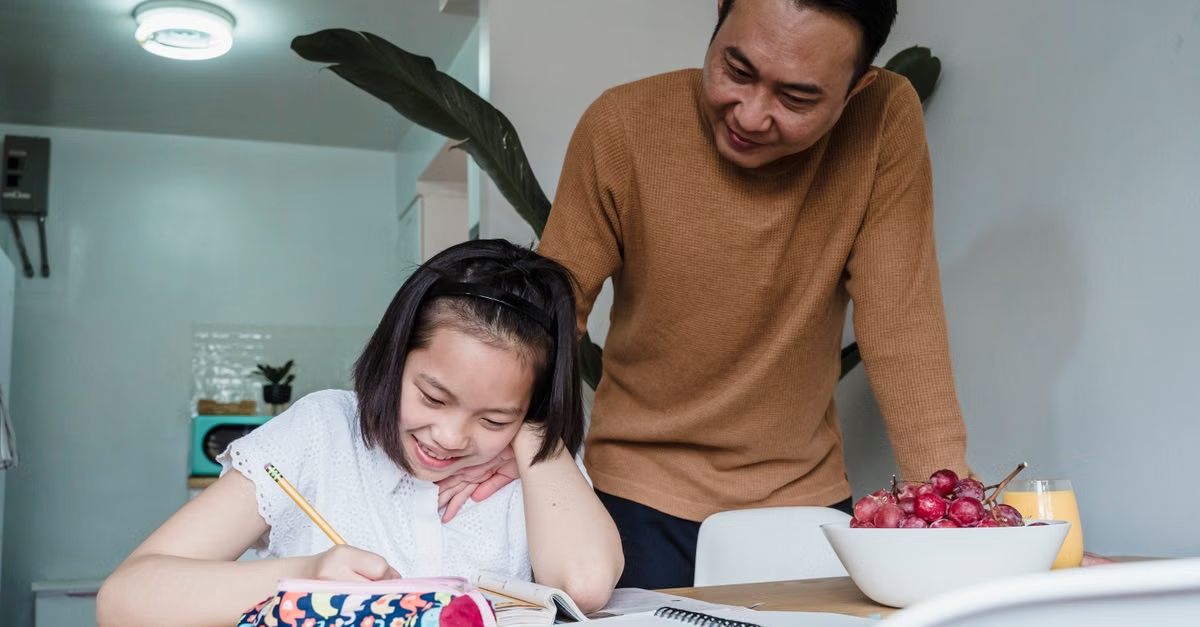
Main image: Image by Annushka Ahuja on Pexels