The secret to a big family holiday isn’t keeping everyone together every minute of the day. It’s giving the whole group a handful of shared moments to look forward to, then letting people drift off and drift back. A dinner everyone turns up for. A silly game with mixed-age teams. Something you all wear on the busiest day out. Those are the bits people remember.
More of us are giving it a go, too. Research from Flight Centre UK found that 12% of Brits are holidaying across two or more adult generations in 2026, which is double the number who did so four years ago. So if you’ve just volunteered (or been volunteered) to organise one, you’re in good company.
Here’s how to plan it so the grandparents, the toddlers, the teenagers, and everyone in between feel like they’re on the same trip.
What Actually Brings a Big Family Together on Holiday?
Shared experiences do, not shared bedrooms. In a 2024 poll of 4,000 UK adults by Kent Reliance, quality time together (62%) and the chance to make cherished memories (47%) were the top reasons people gave for going on a multigenerational holiday. And 60% said these were the holidays they look forward to most.
Kids feel the same way. When Airbnb and the Family Holiday Charity surveyed UK families this summer, children ranked spending time with family (71%) above fun activities (59%) and making memories (58%) as the main reason a family holiday matters to them.
That changes how you plan. You don’t need a packed itinerary. You need a few anchors that pull everyone onto the same beach or round the same table, plus enough breathing space in between that nobody gets fed up.
Give Everyone a Job Before You Leave
Handing people something to own is the quickest way to make a big group feel included. Anyone who’s helped shape the trip turns up invested in it, and the organiser doesn’t end up doing everything.
Roles that tend to work well:
- Food lead: plans the big shared meals and splits the cooking rota between households.
- Activity captain: often a teenager, in charge of finding one thing each day that suits every age.
- Photographer: gets the daily group shot, plus the candid ones nobody poses for.
- Quiz master: writes the questions for games night (grandparents are brilliant at this).
- Kitty keeper: tracks shared costs in an app, so nobody’s chasing receipts on the drive home.
Talk about money early as well. It’s the conversation everyone dreads, but agreeing up front what’s shared (the house, the big meals) and what isn’t (days out, souvenirs) saves a lot of awkwardness later. Different households have different budgets, and nobody should feel pushed into spending more than they’re comfortable with.
Pick a Name or a Theme for the Trip
A shared identity sounds a bit daft until you try it. Giving the holiday a name, like “Grandad’s 80th in Cornwall” or “The Patels Take Pembrokeshire,” turns a booking into an event. The group chat has something to rally around, and the kids have a story to tell their mates.
You can carry it into the holiday itself with a theme night or two. Think a Greek taverna dinner, a seventies disco in the living room, or a bake-off judged by the youngest person there. Nobody has to commit to the whole week, but those nights are usually the ones that get retold at Christmas.
Are Matching Family Holiday T-Shirts Worth It?
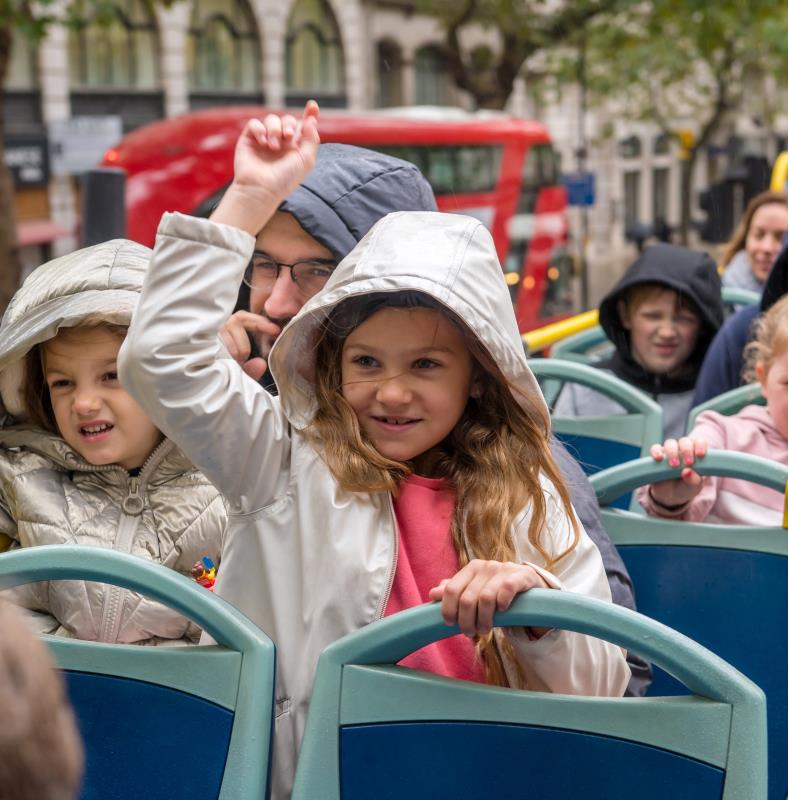
For a big group, yes, and not only for the photos. Matching shirts in a bright colour make it far easier to keep track of everyone on busy days out, especially small children and older relatives who move at a different pace to the rest of you.
That’s a bigger issue than it sounds. RNLI lifeguards on Barry Island once dealt with 45 separate missing children in a single eight-hour patrol. Along the Bournemouth, Christchurch, and Poole coastline, the council’s LV= KidZone wristband scheme reunited 130 lost people with their groups during summer 2025, in an average of seven minutes. Wristbands hold the contact details. A neon orange shirt does the other half of the job, because it’s what you can actually spot from the far end of a beach or a theme park queue.
A few ways to make them feel fun rather than like a uniform:
- Put the trip name and year on the front, and a nickname on the back for each person (“Head Chef,” “Snack Thief,” “The Navigator”).
- Colour-code by household if the family’s large, so each parent can scan for their own lot at a glance.
- Leave space on the sleeve and add a new destination every year you go away together.
- Add a printed hoodie for UK breaks, because evenings on the coast get chilly fast.
Ordering custom holiday t-shirts a few weeks before you travel gives you time to check the design, collect sizes from every household (round up for growing kids), and fix any mistakes without a last-minute panic. Wear them on the biggest day out, take the group photo, and they’ll keep coming out at family barbecues for years.
Activities That Work From Age 5 to 85
The best group activities are ones where a grandparent and a five-year-old can be on the same team and both feel useful. Mixed-age teams are the rule worth sticking to, because parents versus kids gets competitive fast.
Ideas that work across the generations:
- Family Olympics: welly throwing, egg and spoon races, and sandcastle judging on the beach or in the garden.
- Photo scavenger hunt: a list of things to find and photograph on a walk, like a red door, a dog in a jumper, or someone eating chips. Little ones spot, older ones navigate.
- Household cook-off: each family cooks one night and everyone scores it. The kids make the scorecards.
- Generations quiz: rounds on music, telly, and toys from different decades, so everyone gets one round where they’re the expert.
- Rock pooling or crabbing: low effort, fine for most mobility levels, and children will happily do it for hours.
- A slow walk with a good finish: a short coastal or woodland route that ends at a café or pub, so nobody gets left behind and everyone gets a reward.
How Much Time Should a Big Family Spend Together on Holiday?
Less than you’d think. One fixed shared moment a day, usually dinner, is enough to keep the group feeling like a group. The rest of the time, let people split off. Grandparents might want a quiet morning, teenagers a proper lie-in, and parents with toddlers a nap-time window that simply can’t move.
Your accommodation can help here. A house with a big kitchen and a decent living space matters more than the number of bedrooms, because that’s where everyone ends up gathering in the evening. And tell people up front that peeling off for a few hours isn’t rude. It usually makes the evenings better.
Small Rituals That Make It Feel Like Your Holiday
Little traditions are what turn a trip into a family story. They don’t need to be clever. They just need to happen every time you go away.
- A first-night toast, given by the oldest or the youngest person there.
- A “best bit” round at dinner, where everyone shares one highlight from the day.
- The same group photo in the same spot or pose, in the matching shirts, every year.
- A memory jar for notes, ticket stubs, and shells, opened together on the last night.
- Silly awards on the final evening, like Best Sandcastle, Worst Sunburn, and Most Likely to Get Lost.
Keeping the Holiday Going Once You’re Home
Set up a shared photo album before you leave, so the pictures don’t end up scattered across a dozen phones. Print one group shot for each household. Then pencil in a rough date for the next trip while everyone’s still in a good mood.
The hardest part of a big family holiday is getting everyone to say yes the first time. After that, it has a habit of turning into a tradition all by itself.
Image credit: AdobeStock/Rawpixel.com