Keep Britain Tidy celebrates the inspiring impact of Eco-Schools as report reveals environmental achievements made by schools, teachers and young people
Schools and nurseries across the country are showing that small changes really can add up to a big difference, with a million square metres of natural habitats created or maintained as part of the Eco-Schools programme.
The latest Eco-Schools Impact Report, published today by environmental charity Keep Britain Tidy, celebrates incredible work taking place in schools and nurseries through the programme, with 116,404 young people now members of an Eco-Committee (Eco-Schools) or Eco-Club (Eco-Schools: Early Years).
It shows 3.8 million kwh of electricity and 4.8 million kwh of gas were saved year on year – demonstrating the scale of the change being made by pupils, teachers and whole school communities.
From cutting waste and creating wildlife-friendly spaces to saving energy and encouraging sustainable travel, Eco-Schools are putting environmental action at the heart of everyday school life, with 1.3 million young people now attending a setting delivering Eco-Schools or Eco-Schools Early Years last year, and £763k raised for charity.
The Department for Education has set out an ambitious vision for England’s school estate, recognising the important role schools can play in creating healthier, more sustainable places for children and young people to learn, at a time when the impacts of climate change are becoming increasingly difficult to ignore. The past few years have brought some of the most challenging weather conditions on record, from extreme temperatures and water shortages to an increasing risk of wildfires. For schools and nurseries, these changes are not a distant concern – they are already affecting the environments in which children learn and play.
But through the Eco-Schools programme, thousands of young people are taking practical action to make their schools more sustainable, from reducing waste and saving water and energy to creating wildlife-friendly spaces and helping their communities understand the importance of tackling climate change.
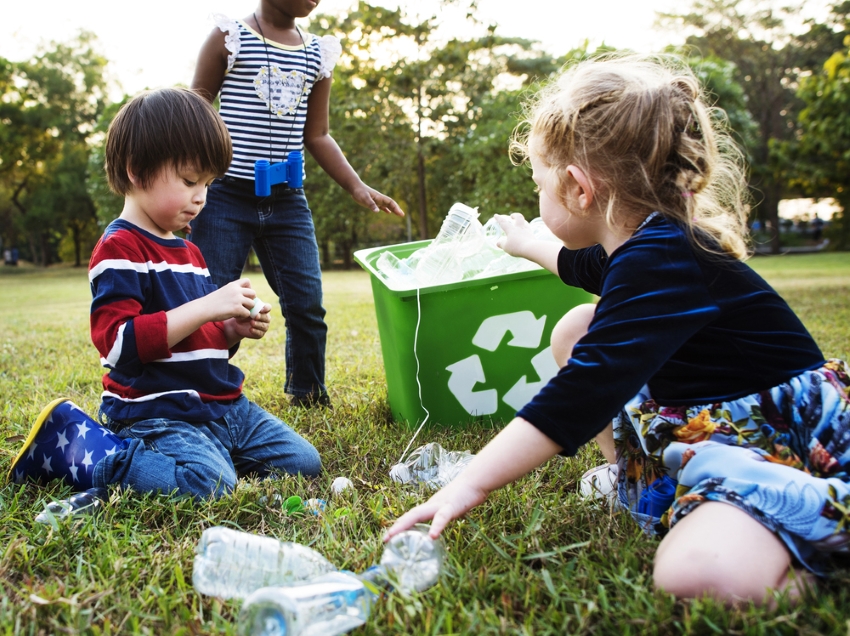
The report highlights how 42,000 trees were planted and more than 10,000 walk or wheel to school events were delivered as a result of Eco-Schools activities, with 110,000 young people participating in a litter-pick.
These actions demonstrate that creating a more sustainable school estate is not simply about buildings and infrastructure. It is also about empowering the next generation with the knowledge, skills and confidence to make a difference and giving them a meaningful role in shaping a healthier, more resilient future.
The latest findings show that 227.4k people participated in Biodiversity themed activities, while 17.4k energy-saving devices were installed, showing just how much can be achieved when young people are given the opportunity to take the lead.
National Manager for Eco-Schools, Adam Flint, said: “We know that our schools are incredibly powerful places for change. When young people are given the opportunity to get involved, they don’t just learn about sustainability – they become part of the solution.
“We’re thrilled at the strong results shown in our impact report as it doesn’t just reflect our own work, it is testament to the ongoing work of pupils and teachers striving to make a difference for the good of the planet and achieve an Eco-Schools Green Flag.
“Their actions may start in the classroom, but their impact can reach far beyond it.”
The programme is also helping young people feel more confident about making a difference, with 1.5k young people given the opportunity to observe or record wildlife.
For Keep Britain Tidy, this is at the heart of what Eco-Schools is all about: helping young people understand the world around them, giving them a voice and supporting them to turn good ideas into action.
The report highlights how the positive influence of Eco-Schools extends into communities – 85% of educators felt that Eco-Schools benefited their local community, and 176k people engaged in Global Citizenship themed activities.
Behind every statistic is a school community taking action – pupils coming up with ideas, teachers helping turn those ideas into reality, and whole school communities working together for a cleaner, greener future. Whether it is switching off lights, reducing single-use items, planting for pollinators or encouraging more sustainable journeys to school, pupils are taking what they learn at school and sharing it with those around them – in fact last year 40.8k m3 of water were saved.
Keep Britain Tidy’s Chief Executive, Allison Ogden-Newton OBE said: “Equipping young people with the skills and confidence to address climate change and biodiversity loss has never been more important. Eco-Schools empowers young people to believe they can make a difference and take action.
“The programme’s impact is remarkable. Perhaps its greatest achievement is helping young people develop the tools they will need for the future – 99% of educators said Eco-Schools helped pupils develop Green Skills. As communities, industries, and workplaces adapt to a changing climate, Green Skills will become increasingly important across every sector.”
2025/26 was an incredible year for the programme with 94,738 external collaborators involved in Eco-Schools work, 26,671 adults on an eco-committee.
The report shows 98% of educators felt that Eco-Schools increased environmental awareness, and 71% agreed that taking part in the programme has reduced eco-anxiety in pupils.
The report comes a year after the charity launching Eco-Schools for Nurseries, aimed at early years settings. There are approximately 21,600 nurseries in England but until now there have not been any national environmental education programmes designed specifically for them. 96% of nursery practitioners felt that delivering Eco-Schools: Early Years contributed to children’s personal, social, and emotional development, and 96% felt that delivering EcoSchools: Early Years increased understanding of climate change and sustainability in their setting.
Register your school today and be ready to start your Eco-Schools journey in September. Or watch the video on the Eco-Schools England website to find out more. Schools can sign up at: members.eco-schools.org.uk/sign-up
Image: Depositphotos