Children don’t learn only by sitting at a desk, or reading from a textbook. Outdoor learning gives them opportunities to explore, experiment, move, ask questions and solve problems in environments that make lessons feel tangible and relevant. Whether they’re growing vegetables, studying wildlife, navigating a trail or learning to sail, children can develop academic knowledge alongside confidence, independence, communication and practical life skills.
What Is Outdoor Learning?
Outdoor learning is an educational approach that takes place outside traditional indoor environments. It can complement classroom teaching by allowing children to apply concepts in real-world settings, often through hands-on activities and direct experiences.
The approach can take many forms. Types of outdoor learning include:
- Nature walks
- Forest school programmes
- Outdoor science experiments
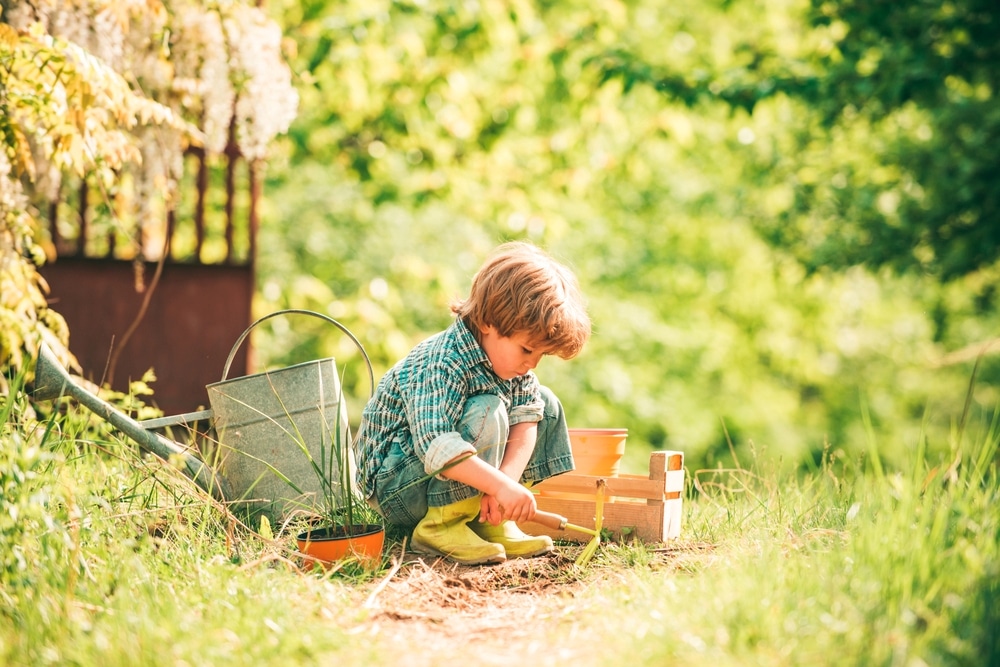
- Gardening and environmental projects
- Hiking and navigation activities
- Outdoor art
- Camping
- Water-based activities
- Adventure education
These experiences don’t have to be highly structured, either. Simply observing insects in a garden, measuring rainfall, identifying plants or collecting leaves can encourage children to investigate the world around them.
Encourages Curiosity and a Love of Learning
The natural world provides almost endless opportunities for questions. Why do some plants grow better in certain places? What makes a bird choose one nesting site over another? How does the weather change throughout the day?
Outdoor environments encourage children to investigate these questions themselves. Instead of simply receiving information, they can observe, predict, test and draw conclusions based on what they see.
This type of active discovery can make learning more memorable. When children physically experience a concept, they have a concrete reference point that can help connect abstract classroom ideas to the real world.
Supports Physical Health and Development
One of the easiest advantages of outdoor learning is that it naturally encourages movement. Children may walk, climb, run, balance, dig, paddle, swim or participate in other physical activities, depending on the setting.
Regular movement supports physical development while also helping children build coordination, balance, strength and spatial awareness. Outdoor activities can also break up long periods of sitting, giving them opportunities to be physically active while they learn. Hiking, camping and sailing can be particularly valuable because they combine movement with problem-solving and practical skills.
Builds Confidence and Independence
Outdoor environments often present manageable challenges that children must work through on their own. A child might need to find the best route along a trail, build a shelter, identify the equipment needed for an activity or figure out how to safely cross an obstacle.
Successfully navigating these situations can build self-confidence. More importantly, children begin to understand that making a mistake doesn’t necessarily mean they’ve failed. It can be part of the process of figuring something out.
Over time, these experiences can encourage greater independence. Children become more comfortable making decisions, assessing situations and taking appropriate responsibility for their actions.
Develops Communication and Teamwork
Many outdoor activities involve working with other people. Children may need to plan together, divide responsibilities, explain their ideas, listen to instructions or resolve disagreements.
For example, camping can involve deciding where to set up, preparing meals, organising equipment and completing tasks as a group. These seemingly simple activities require communication and cooperation.
Water-based activities are another example. Learning to sail involves more than navigating a boat. Children can learn to trust their instincts on water and make quick decisions. They also find out that successful navigation often depends on paying attention to changing conditions and working effectively with others.
Strengthens Problem-Solving Skills
Outdoor environments are unpredictable. A planned route might be blocked, the weather may change or an experiment may produce an unexpected result.
Rather than treating these situations as disruptions, outdoor learning can turn them into problem-solving opportunities. Children have to assess what’s happening, consider their options and decide what to do next.
These skills have applications far beyond outdoor activities. The ability to evaluate information, adapt to changing circumstances and make thoughtful decisions is valuable throughout school, work and everyday life.
Provides Opportunities to Learn Through Experience
Children often learn particularly well when they can see the connection between an idea and its practical application. Outdoor learning makes those connections easier to establish.
For instance, a maths lesson can involve measuring the height of a tree or calculating distances on a map. Science can become an investigation of soil, weather, ecosystems or water quality. Geography can involve reading a landscape rather than just looking at it on a page.
This experiential approach gives children opportunities to use multiple senses while learning. They can see, hear, touch, move, measure and interact with the subject they’re studying.
Supports Mental Well-Being
Spending time outdoors can also provide a welcome change of environment. Natural settings may offer children opportunities to slow down, move freely and engage with their surroundings away from the demands of a traditional classroom. Even spending a short period of time outdoors can boost mood and improve well-being.
Physical activity and time in nature can support overall well-being, while outdoor activities can provide a healthy outlet for energy and stress. For some children, a less formal environment may also make it easier to engage with learning.
The benefits aren’t limited to quiet nature activities. Adventure-based experiences can also give children a sense of excitement and accomplishment that contributes to confidence and emotional resilience.
Encourages Environmental Awareness
It’s easier to appreciate the importance of protecting the environment when children have regular opportunities to experience it firsthand. Planting a garden, exploring a local ecosystem, identifying wildlife or monitoring water quality can help children understand how natural systems work. They can see how plants, animals, weather, water and human activity interact.
Learning Beyond the Classroom
Outdoor learning gives children something a classroom can’t always provide — the opportunity to experience knowledge in action. From developing physical skills and environmental awareness to strengthening communication and resilience, time spent learning outdoors can support the whole child.
Image: Depositphotos