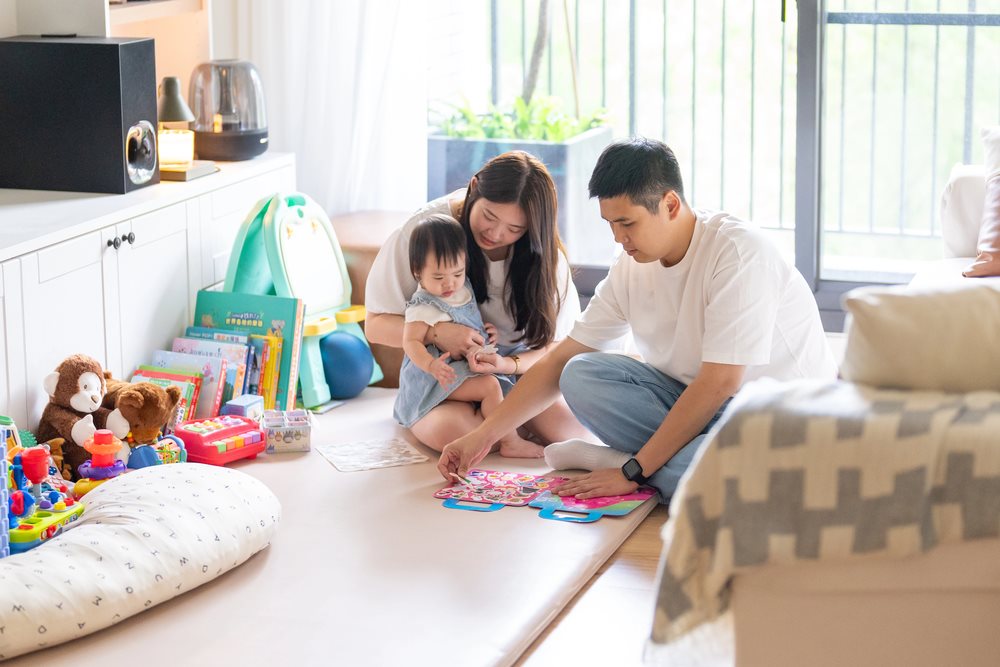
Family life is busy enough without every activity needing a big setup. Some days call for parks, parties, clubs, and outings. Other days need something calmer: an activity children can enjoy at home, grandparents can join in with, and parents can set up without turning the room upside down.
Quiet activities are not boring when they give children something clear to do. The best ones combine focus, choice, and a visible sense of progress. Puzzles, drawing, simple crafts, reading corners, and gentle games all work because they invite attention, without demanding noise or speed.
Why Puzzles Work Across Ages
Jigsaw puzzles are one of the rare activities that can adapt to different ages. Younger children can work with fewer pieces and bright images. Older children can handle larger puzzles with more detail. Adults can help without taking over, and grandparents can join in naturally.
The task is easy to understand: find edges, match colors, notice shapes, and build the image. That simplicity makes puzzles accessible, but the challenge can still grow with the child.
Animal Themes Keep Children Interested
Theme matters, especially for children. Animals, birds, pets, forests, oceans, and wildlife scenes give children something familiar to talk about while they solve. A puzzle becomes more than matching pieces; it becomes a small conversation about the picture.
For families who want an easy digital option, animal jigsaw puzzles can offer a calm screen activity with a clear purpose. Children can choose a wildlife scene, focus on the image, and complete something at their own pace.
Screen Time Can Be More Intentional
Not all screen time feels the same. Passive scrolling or endless videos can leave children overstimulated. A puzzle asks them to do something active: observe, compare, remember, and decide. That does not make every digital activity automatically beneficial, but it does show why format matters.
Parents can make digital puzzles feel more intentional by setting a time limit, choosing the puzzle together, and treating the activity like a shared game, rather than background entertainment.
Good Activities Create Small Wins
Children often enjoy activities that show progress. A puzzle does this beautifully. Every matched piece is a small success. Every finished section makes the final picture feel closer. This can be especially helpful for children who benefit from patient, step-by-step tasks.
Small wins also help families avoid the pressure that can come with competitive games. There is no need to beat anyone. The goal is simply to keep going and enjoy the result.
Make It a Shared Routine
A quiet activity becomes more meaningful when it becomes part of a routine. It might be a Sunday afternoon puzzle, a rainy-day option, or a short calm-down activity after school. The routine does not have to be strict; it just gives children something familiar to return to.
Families do not need complicated entertainment every day. Sometimes the best activity is one that slows everyone down, gives the mind something gentle to work on, and ends with a picture everyone helped complete.
Image: Depositphotos